Craft + AI
Keeping the hand in handmade
Can a studio use AI without selling out the craft?
هل يمكن للاستوديو أن يستخدم الذكاء الاصطناعي دون أن يفرّط في الحِرفة؟
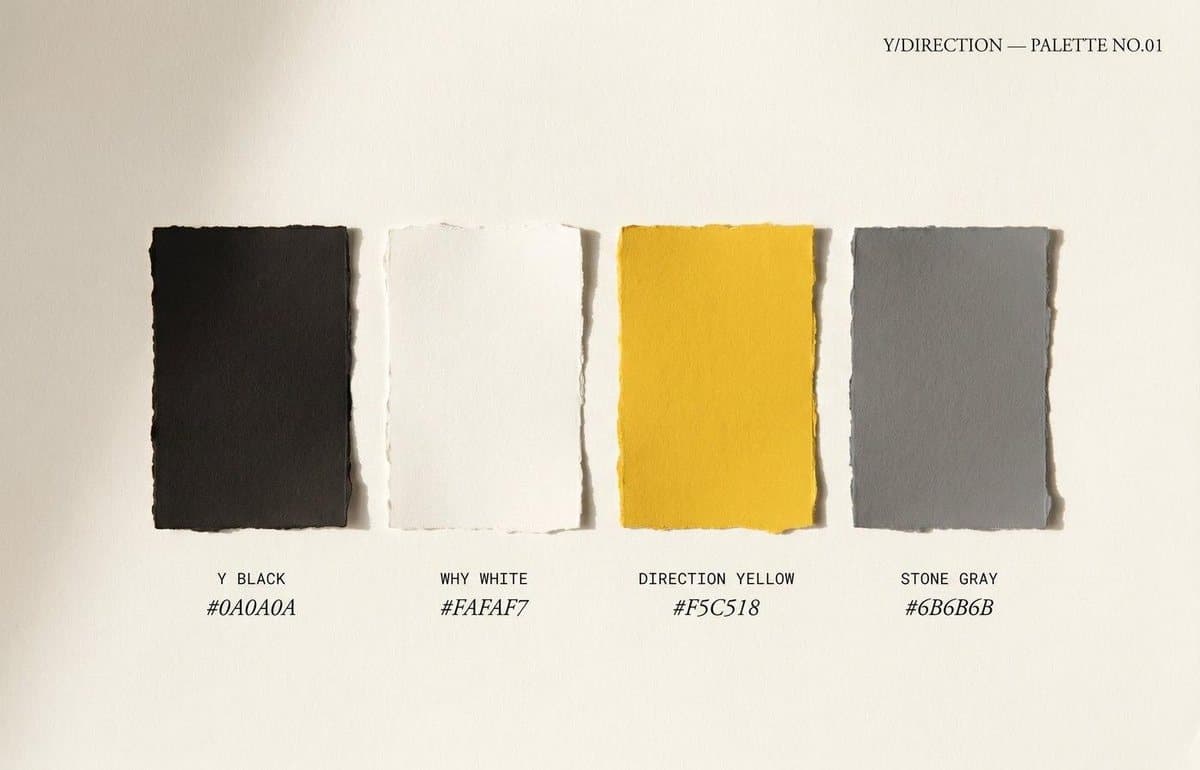
We use AI every week. We also cut the figure out of real paper, by hand, and scan the torn edge instead of redrawing it as a clean vector. Those two facts are not in tension — and pretending they are is its own kind of dishonesty.
The handmade-versus-AI argument is usually staged as a fight, and usually by people selling one side of it. We find that framing useless at the desk. The honest question isn't whether to use the tool. It's what the tool is allowed to decide.
Where the machine helps, and where it doesn't
AI is genuinely good at the parts of the work that benefit from volume and speed: drafting variations, pressure-testing a line of copy in both languages, summarising a category, getting an ugly first version onto the page so there's something to react to. We use it there without apology.
- It drafts; it does not decide. The direction — the one yellow step — stays a human call we can say why about.
- It accelerates the messy middle; it never touches the torn edge. The figure is cut, not generated, because the hand is the point.
- It works in both languages as a tool, never as the author. Arabic and English are written by people who live in them, not translated by a model and waved through.
The tool can make a hundred versions. It cannot tell you which one is true. That's still the job.
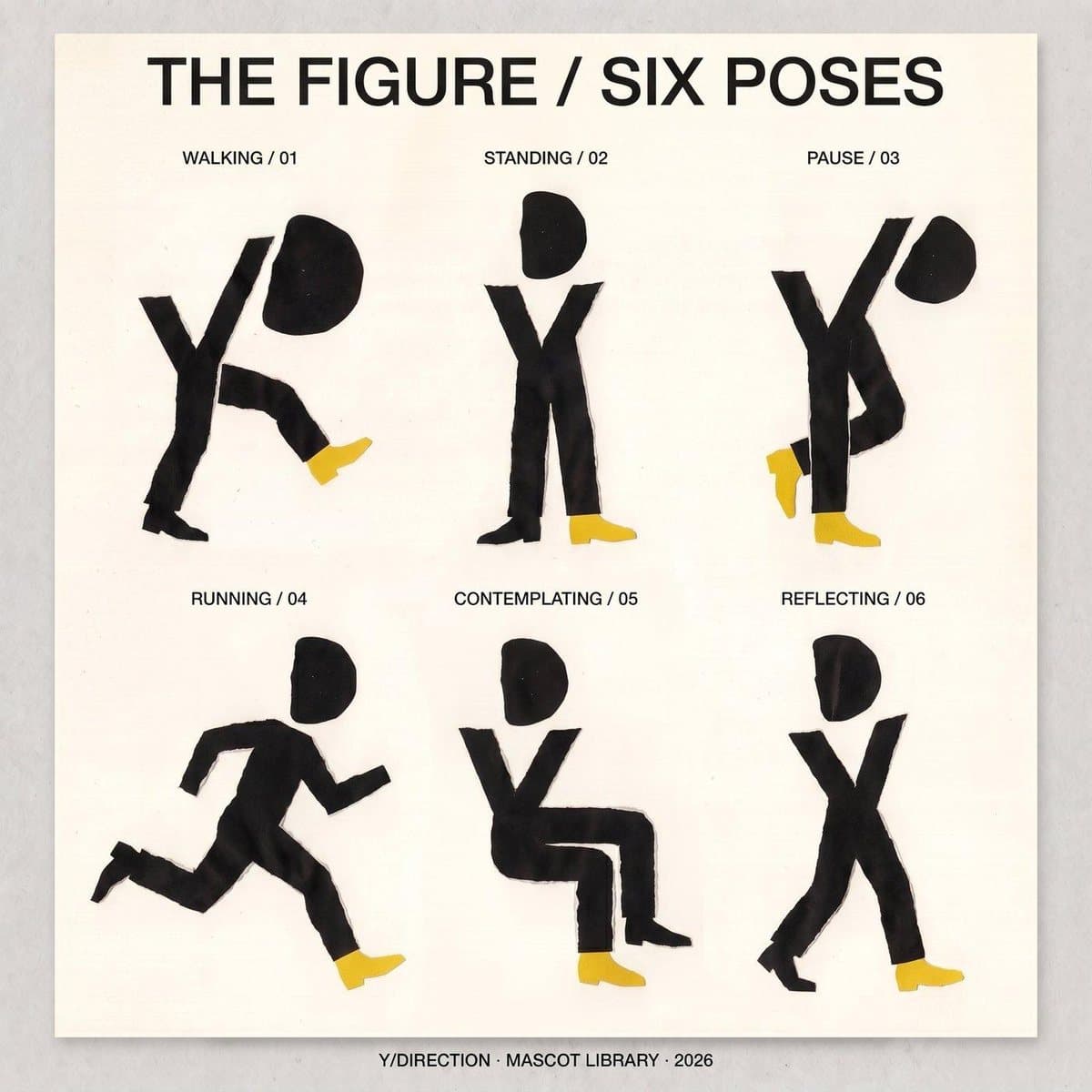
The reason we keep the torn edge and the visible grain is not nostalgia. It's a promise the eye can verify. A vector-smooth, AI-perfect surface tells you nothing about who made it or whether they cared. The cut edge is evidence of a decision a person stood behind. In a moment when anyone can generate a polished surface in seconds, the evidence of judgment is the scarce thing.
let the machine do the typing. keep the thinking — and the scissors.
So we don't hide the AI, and we don't hide the hand. We show both, because the craft was never in the smoothness. It was always in the choosing — and that part doesn't automate.
Found the question worth asking?
Bring it to a discovery call. No deck. We listen — then we tell you honestly whether we're the right partner to answer it.
bring the messy version.